
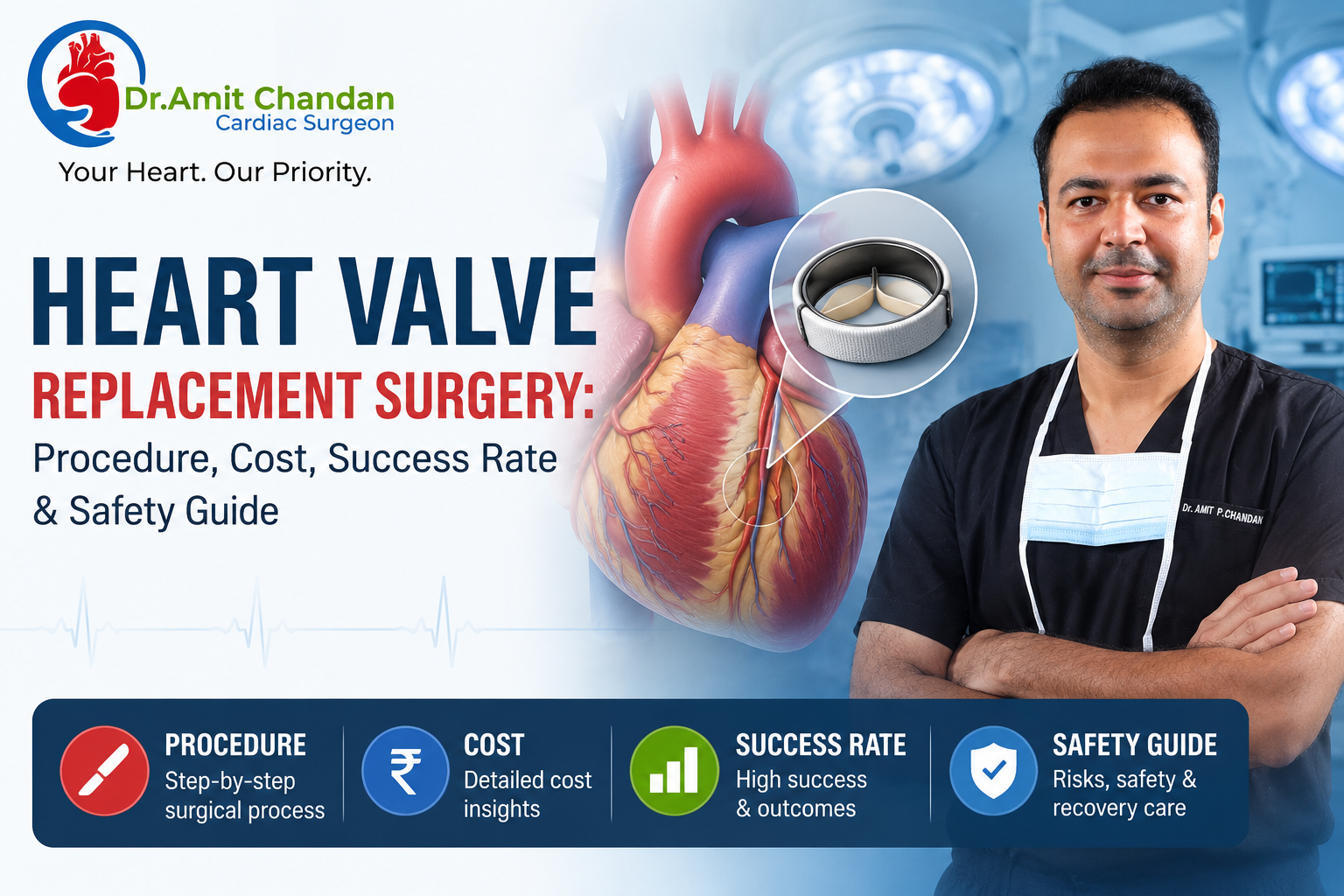
Heart valve replacement surgery is a life-saving procedure for patients whose heart valves are severely damaged or diseased. When a valve does not open or close properly, the heart has to work harder to pump blood, increasing the risk of heart failure and other complications.
With advancements in modern cardiac care, heart valve replacement surgery has become safer and more effective than ever before. Minimally invasive and robotic-assisted techniques have also improved recovery times and patient outcomes.
If you or a loved one has been advised to undergo this procedure, understanding the surgery, its benefits, cost, and success rate can help you make informed decisions.
What is Heart Valve Replacement Surgery?
Heart valve replacement surgery is a procedure in which a damaged heart valve is replaced with an artificial or biological valve. The goal is to restore normal blood flow through the heart and reduce symptoms such as:
- Chest pain
- Shortness of breath
- Fatigue
- Dizziness
- Swelling in the legs
- Irregular heartbeat
The surgery is commonly performed for conditions like:
- Aortic valve stenosis
- Mitral valve disease
- Valve regurgitation
- Congenital valve defects
- Rheumatic heart disease
Heart Valve Replacement Surgery Procedure
Many patients wonder about the heart valve replacement surgery procedure and what happens during treatment.
The process generally includes the following steps:
Pre-operative Evaluation
Doctors perform several diagnostic tests such as:
- ECG
- Echocardiography
- CT Scan
- Blood investigations
- Coronary angiography (if required)
These tests help determine the condition of the heart and the best surgical approach.
Anesthesia
The patient receives general anesthesia to ensure complete comfort during the operation.
Surgical Procedure
The surgeon accesses the heart through either:
- Traditional open-heart surgery
- Minimally invasive cardiac surgery
- Robotic-assisted heart surgery (in selected patients)
The damaged valve is carefully removed and replaced with either:
Mechanical Valve
- Highly durable
- Can last several decades
- Requires lifelong blood-thinning medication
Biological Valve
- Made from animal tissue
- Less need for long-term anticoagulants
- May require replacement after many years
Recovery
After surgery:
- The patient is monitored in the ICU.
- Hospital stay usually ranges from 5–10 days depending on recovery.
- Most patients gradually resume normal activities within a few weeks, following medical advice and rehabilitation.
Is Heart Valve Replacement Surgery Safe?
One of the most common questions patients ask is:
Is heart valve replacement surgery safe?
Yes. Advances in surgical techniques, anesthesia, and post-operative care have significantly improved safety. The procedure is routinely performed worldwide and offers excellent outcomes for appropriately selected patients.
Early diagnosis and timely treatment often improve results and reduce complications.
Heart Valve Replacement Surgery Success Rate
The heart valve replacement surgery success rate is generally very high when performed by experienced cardiac teams and in suitable patients.
Several factors influence success:
- Early diagnosis
- Timely surgery
- Type of valve disease
- Patient’s overall health
- Quality of post-operative care
- Lifestyle modifications after surgery
Many patients experience:
- Improved quality of life
- Better exercise capacity
- Reduced symptoms
- Lower risk of heart failure
- Long-term survival with proper follow-up
Regular check-ups and adherence to prescribed medications are essential for maintaining long-term outcomes.
Heart Valve Replacement Surgery Cost in India
The heart valve replacement surgery cost in India varies depending on several factors, including:
- Type of valve used
- Hospital facilities
- Surgical technique
- ICU stay
- Diagnostic investigations
- Patient’s medical condition
Because every patient requires individualized treatment, the exact cost can only be determined after a detailed consultation and evaluation
India is widely recognized for providing advanced cardiac surgery with experienced specialists and modern technology while remaining cost-effective compared with many countries.
Benefits of Heart Valve Replacement Surgery
The procedure can provide numerous benefits, including:
- Improved blood circulation
- Relief from symptoms
- Better heart function
- Increased energy levels
- Enhanced quality of life
- Reduced risk of heart complications
- Longer life expectancy in appropriate patients
Recovery After Surgery
Recovery varies for each individual, but patients are generally advised to:
- Take medications as prescribed
- Attend follow-up appointments
- Participate in cardiac rehabilitation if recommended
- Eat a heart-healthy diet
- Avoid smoking and tobacco
- Stay physically active according to medical guidance
- Monitor blood pressure and cholesterol
Following your surgeon’s recommendations plays a significant role in long-term recovery.
When Should You Consult a Cardiac Surgeon?
Seek medical evaluation if you experience:
- Persistent chest pain
- Breathlessness during routine activities
- Frequent dizziness
- Unexplained fatigue
- Swelling in the legs
- Palpitations
- Fainting episodes
Early consultation can help prevent disease progression and improve treatment options.
You may also find these topics helpful:
- Heart Transplant Specialist in Ahmedabad
- How to Choose the Best Cardiac Surgeon in Ahmedabad
- Robotic Heart Surgery in Ahmedabad
Conclusion
Heart valve replacement surgery has transformed the lives of countless patients by restoring healthy heart function and improving quality of life. Modern techniques, experienced surgeons, and timely diagnosis contribute to excellent outcomes and long-term benefits.
If you have been advised to undergo heart valve replacement surgery or are experiencing symptoms of valve disease, consulting an experienced cardiac specialist is an important step toward receiving the right evaluation and treatment plan.
Heart valve replacement surgery is a procedure that replaces a damaged heart valve with an artificial or biological valve to restore normal blood flow.
The success rate is generally high when surgery is performed by experienced cardiac specialists and when patients receive appropriate follow-up care and lifestyle management.
Yes. Modern surgical techniques and advances in cardiac care have made the procedure safe and effective for many patients, although individual risks vary.
The cost depends on the type of valve, hospital, surgical approach, and the patient’s overall medical condition. A personalized consultation is necessary for an accurate estimate.
Hospitalization may last several days, while overall recovery varies by patient and surgical technique. Your cardiac surgeon will provide a personalized recovery plan.