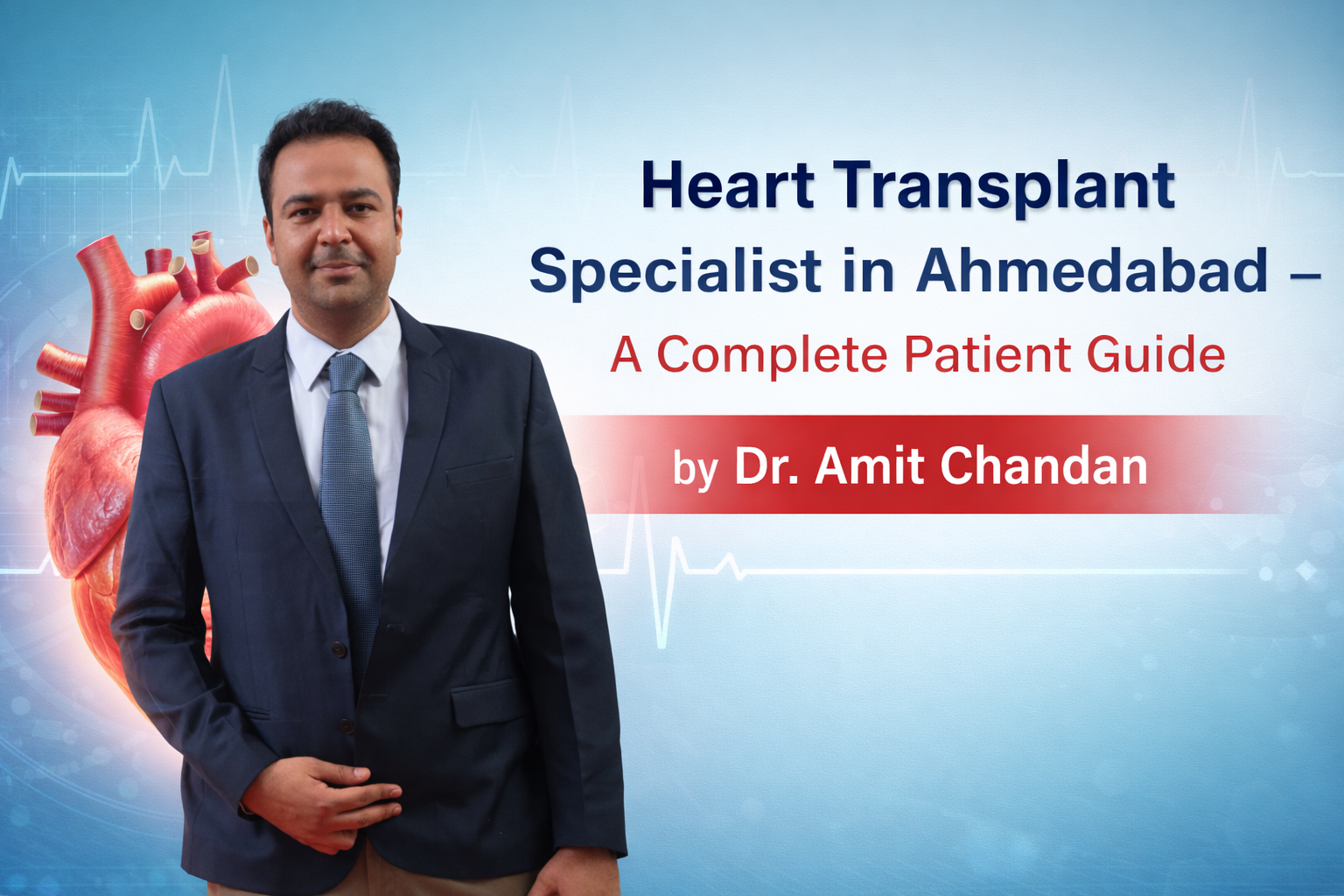
When it comes to advanced cardiac care, finding the right Heart Transplant Specialist can make all the difference between life and loss. Heart transplantation is one of the most complex yet life-saving procedures in modern medicine, offering hope to patients suffering from end-stage heart disease. With the right expertise, technology, and post-operative care, patients can regain not just health, but a new life.
Dr. Amit Chandan, a trusted name in cardiac care, brings years of experience in handling critical heart conditions with precision and compassion.
Understanding Heart Transplant Surgery
A heart transplant is a surgical procedure in which a failing or damaged heart is replaced with a healthy donor heart. It is typically recommended when all other treatments, such as medications, angioplasty, or bypass surgery, have failed to improve the patient’s condition.
This procedure is often the last and most effective option for patients with severe heart failure or complex cardiac diseases.
When is a Heart Transplant Needed?
Not every heart patient requires a transplant. It is usually advised in advanced stages of heart disease, including:
- End-stage heart failure
- Severe cardiomyopathy
- Advanced coronary artery disease
- Congenital heart defects
- Irregular heart rhythms that are life-threatening
Patients who experience persistent symptoms like breathlessness, fatigue, and swelling despite ongoing treatment should seek evaluation from a specialist.
Symptoms You Should Never Ignore
Heart conditions often progress silently. Recognizing warning signs early can save lives:
- Shortness of breath during minimal activity or rest
- Continuous chest discomfort
- Swelling in legs, ankles, or abdomen
- Rapid or irregular heartbeat
- Sudden weight gain due to fluid retention
Timely consultation with a heart expert ensures early diagnosis and better outcomes.
The Heart Transplant Process Explained
Comprehensive Evaluation
Before recommending surgery, a detailed assessment is conducted. This includes blood tests, imaging scans, heart function tests, and psychological evaluation to ensure the patient is fit for transplant.
Waiting for a Donor Heart
Once approved, the patient is placed on a transplant waiting list. Donor matching depends on several factors such as blood group, body size, and medical urgency.
The Surgical Procedure
During the surgery, the diseased heart is removed and replaced with a donor heart. The procedure typically takes several hours and requires a highly skilled surgical team.
Intensive Post-Operative Care
After surgery, patients are closely monitored in the ICU. Medications are prescribed to prevent organ rejection and infections.
Recovery and Life After Transplant
Recovery after a heart transplant is gradual but highly rewarding. Most patients begin to feel significantly better within weeks.
Key aspects of recovery include:
- Regular follow-up visits
- Lifelong medications to prevent rejection
- Healthy diet and physical activity
- Avoiding infections and maintaining hygiene
- Emotional and psychological support
With proper care, many patients return to a normal and active lifestyle
Possible Risks and Complications
Like any major surgery, heart transplantation carries certain risks. These may include:
- Rejection of the donor heart
- Infections due to weakened immune system
- Side effects of long-term medications
- Bleeding or blood clot formation
However, with an experienced specialist and proper medical management, these risks can be significantly minimized.
Why Expertise Matters in Heart Transplant
Heart transplant surgery requires not only technical precision but also deep clinical judgment. Choosing a skilled and experienced cardiac surgeon improves survival rates, reduces complications, and ensures long-term success.
Dr. Amit Chandan focuses on delivering patient-centered care using advanced surgical techniques and modern medical infrastructure. His approach emphasizes safety, transparency, and personalized treatment planning for every patient.
Cost of Heart Transplant in India
India has become a leading destination for advanced cardiac treatments due to its affordability and high-quality care. The cost of heart transplant surgery typically ranges between ₹15 lakhs to ₹30 lakhs, depending on the hospital, complexity of the case, and post-operative care requirements.
Despite being a complex procedure, it is far more accessible in India compared to many other countries.
Lifestyle Changes for Long-Term Success
A successful heart transplant is just the beginning. Maintaining a healthy lifestyle is essential for long-term survival:
- Follow a balanced and heart-friendly diet
- Stay physically active as advised by doctors
- Avoid smoking and alcohol
- Take medications regularly without fail
- Attend all scheduled medical check-ups
Consistency in these habits plays a crucial role in ensuring a healthy future.
Final Thoughts
A heart transplant offers a second chance at life for patients battling severe heart disease. While the journey may seem overwhelming, the right medical guidance and support can make it smoother and more successful.
Choosing an experienced Heart Transplant Specialist like Dr. Amit Chandan ensures that patients receive the highest standard of care at every step, from diagnosis to recovery. With the right approach, expertise, and commitment, a healthier and longer life is truly possible.
Patients with severe heart failure or advanced heart disease not responding to other treatments may need a transplant.
Many patients live 10–15 years or longer with proper care and medication.
It is a major surgery, but with expert care, success rates are high.
Initial recovery takes a few weeks, while full recovery may take a few months.
Yes, with proper lifestyle changes and regular follow-ups, most patients lead active and fulfilling lives.